Category: Uncategorized

  • Kaduna targets 32,000 skilled graduates annually with new vocational institute

    The Kaduna State Government has unveiled a plan to produce about 32,000 skilled graduates each year through its newly established Institute of Vocational Training and Skills Development.

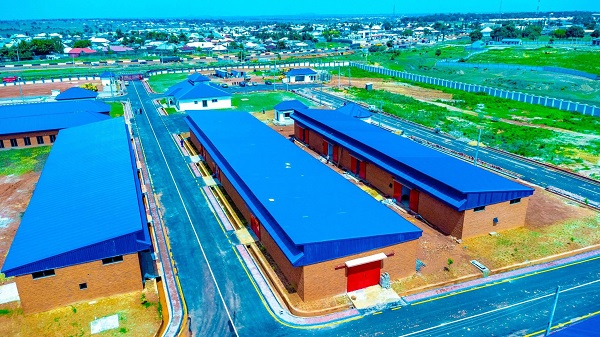
    Commissioned by President Bola Ahmed Tinubu in June, the Institute has campuses in Rigachikun, Soba, and Samaru Kataf, all equipped with modern facilities to deliver practical, globally relevant training.

    Learners can choose from 14 NBTE-accredited trade areas, including masonry, plumbing, welding, solar installation, mechatronics, computer hardware maintenance, catering, and fashion design.

    Programmes are designed under the Nigeria Skills Qualification Framework (NSQF), with 80 percent of learning devoted to hands-on practice in workshops and workplace settings. Enrollment is open year-round, with both morning and afternoon sessions to expand access.

    Courses range from short three-month programmes that award unit or competence certificates, to six- to twelve-month tracks leading to full NSQ qualifications at Levels 2–4.

    Commissioner for Information, Malam Ahmed Maiyaki, described the initiative as a bold step toward job creation and economic empowerment.

    “This Institute is a clear demonstration of Kaduna State Government’s commitment to youth empowerment and economic growth,” Maiyaki said. “The trades were carefully selected to meet manpower needs in construction, energy, ICT, hospitality and the creative sector. Graduates will not only find jobs but also become entrepreneurs and employers of labour.”

    Provost of the Institute, Malam Husaini Haruna Muhammad, stressed that the training would produce graduates who are workplace-ready.

    “With 80 per cent practical exposure, our learners gain real-life competencies. These skills are relevant not just to Nigeria’s economy but also competitive globally. We particularly encourage women, persons with disabilities and vulnerable youths to take advantage of this opportunity,” he said.

    The teaching model blends experienced instructors, master craftspersons and retired professionals to balance theory with decades of industry practice.

    Fully accredited by NBTE, the Institute is part of the Federal Government’s Technical and Vocational Education and Training (TVET) initiative. The pioneer intake of about 2,000 learners is already underway.

    The State Government has also prioritised inclusivity, making access open to women, persons with disabilities and vulnerable groups such as the Almajirai.

    With structures and personnel already in place, the Institute plans to graduate 16,000 learners in its first phase before scaling up to the 32,000 annual target.

    Applications are ongoing through the Institute’s portal — https://kivtsd.edu.ng — with all 23 local government areas expected to mobilise prospective candidates.

    Source: The Nation Online

  • WAPA Forex Market: The Economic and Historical Significance of a Financial Hub in Kano State

    By Mahmud Aminu Hanga

    Introduction
    The WAPA Forex Market, located in the Fagge quarters of Kano State, stands as a critical pillar of Nigeria’s financial landscape. Recognized as one of the largest informal currency exchange markets in West Africa, WAPA is not just a center of currency trading but also a testament to the region’s rich economic heritage.
    This article explores the origins of WAPA, its influential figures, operational dynamics, and its potential role in resolving Nigeria’s forex challenges and competing with Lagos’s forex market.

    Historical Background: The Genesis and Evolution of WAPA
    The story of WAPA Forex Market begins with Alhaji Mahmud Alhassan Dantata popularly known as Mamuda Dantata or Mamuda WAPA, a visionary entrepreneur and politician. In the early 1950s, Dantata reclaimed a swampy area in Fagge quarters, transforming it into a thriving commercial center. His achievements extended beyond land reclamation; he revolutionized pilgrimage transportation by founding the West African Pilgrimage Agency (WAPA) and introduced chartered flights from Kano to Saudi Arabia.
    Dantata’s innovative spirit not only shaped the pilgrimage industry but also laid the groundwork for WAPA to evolve into a bustling forex trading hub. His dedication to economic advancement and financial innovation established WAPA as a symbol of opportunity and growth in Kano.
    WAPA’s history mirrors that of other forex markets, starting with small-scale currency exchanges. The introduction of Alhaji Cherno Baila Wan into the forex trade in Kano in the late 1940s, initially in Yalleman, was pivotal. His move to Kano, where he supplied foreign exchange for WAPA and traders like Mamuda Dantata, solidified his influence. His work laid the groundwork for subsequent generations, with notable figures such as the Habibu Fari family furthering the market’s growth.
    ➢Mamuda WAPA’s Legacy and the Birth of Currency Trading
    Mamuda Dantata’s influence is deeply embedded in WAPA’s legacy. His expansion into currency trading transformed WAPA from a modest trading post into a major financial center. Today, WAPA Forex Market handles billions of naira daily, serving as a vital engine for local and international trade.
    The market’s success is a tribute to Dantata’s pioneering vision and his contributions to the economic infrastructure of Kano. His legacy endures through the market’s continued success and its role in regional economic development.
    ➢The Role of Prominent Traders: Alhaji Cherno Baila Wan, Alhaji Habibu Fari and the Fari Family amongst others
    The impact of WAPA Forex Market is also attributed to influential traders like Alhaji Cherno Baila Wan and Alhaji Habibu Fari from Yalleman (Located 24 kilometers from Hadejia Local Government Area in Jigawa State and 154 kilometers from Kano State) amongst others.
    Pioneers like Alhaji Cherno Baila Wan and the Habibu Fari family have played a pivotal role in establishing WAPA as a key hub for forex trading activities. Both Families were Fulani migrants from Futa Toro in Senegal became Nigerian citizens after fighting against the British colonial invasion at the Battle of Bormi in July 1903. As a result of the battle’s aftermath, many of these migrants settled in Hadejia, as well as other regions such as Niger, Chad, Sudan, and Medina in the Hejaz.
    Cherno’s early initiatives brought recognition and trust to the market, drawing influential businessmen to rely on him for currency exchange needs.
    The Habibu Fari family, following Cherno’s footsteps, expanded the business, integrating it into the broader economy and helping WAPA become a key player in Nigeria’s forex trade.
    Fari’s expertise and ethical approach have been instrumental in shaping WAPA’s reputation. His family’s dedication to professionalism and community welfare has fostered a culture of trust and integrity in the forex trading community.
    The Fari family’s role extends beyond financial contributions; they have significantly impacted social welfare and religious harmony in Northern Nigeria. Their legacy underscores the market’s role in promoting ethical business practices and contributing to regional development.
    ➢Current Operations and Market Capacity
    WAPA Forex Market is a major player in Nigeria’s currency trading sector, characterized by its diverse vendor base and substantial transaction volume.

    Vendor Dynamics

    • Registered Vendors: Approximately 500 to 800 vendors are officially registered, adhering to regulatory standards and engaging in significant transactions.
    • Unregistered Vendors: The market includes 1,000 to 1,500 unregistered vendors, contributing to the informal economy with smaller-scale transactions.
      BDC License Holders
      The Bureau De Change (BDC) was officially licensed in 1989 to cater to smaller foreign exchange users and to broaden the officially recognized forex market. Exchange rates within the BDC are determined by market forces. The parallel forex market has been operational since the era of exchange control.
    • Registered BDCs: Around 50 to 70 Bureau De Change (BDC) license holders operate within WAPA, facilitating regulated currency exchange and maintaining market stability.
      ➢Economic Impact
    • Transaction Volume: Daily transactions range from ₦10 billion to ₦20 billion, highlighting WAPA’s significance in the forex market.
    • Employment: The market supports 10,000 to 15,000 individuals, including vendors and ancillary service providers.
    • Economic Contribution: WAPA’s activities stabilize the naira and influence exchange rates, supporting various sectors and contributing to regional economic health.
    • Government Revenue: Registered vendors contribute ₦1 billion to ₦2 billion annually to government revenue through fees and taxes.
      ➢Challenges Facing WAPA Forex Market
      Despite its success, WAPA Forex Market faces several challenges:
    1. Regulatory Compliance: The informal sector presents difficulties in enforcing regulatory standards and maintaining market integrity.
    2. Currency Volatility: Fluctuations in exchange rates create instability and impact businesses, especially in the informal sector.
    3. Liquidity Issues: Periods of low liquidity and limited access to foreign currencies affect transaction smoothness.
    4. Security Concerns: The risk of theft and fraud, combined with inadequate security infrastructure, poses significant challenges.
    5. Operational Challenges: Limited technology adoption and outdated market infrastructure impact efficiency.
    6. Economic Impact and Inflation: Inflation and economic uncertainties can destabilize the forex market.
    7. Regulatory and Policy Changes: Frequent policy shifts and compliance costs create uncertainty and disrupt operations.
      ➢Recommendations for Modernizing WAPA Forex Market
      To enhance WAPA Forex Market’s efficiency and impact, the following steps are recommended:
    8. Strengthen Regulatory Framework
    • Formalize informal vendors with simplified registration and incentives.
    • Increase oversight and compliance checks for all vendors.
    1. Improve Market Infrastructure
    • Integrate advanced trading technologies and modernize physical infrastructure.
    • Enhance security systems and market facilities.
    1. Enhance Liquidity Management
    • Establish liquidity support programs and diversify currency offerings.
    1. Strengthen Security Measures
    • Implement anti-fraud measures and upgrade security infrastructure.
    1. Facilitate Technology Adoption
    • Provide training and support for technology adoption and digital platforms.
    1. Enhance Market Transparency
    • Improve access to market data and publish regular market reports.
    1. Promote Financial Inclusion
    • Expand financial services to underserved vendors and support SMEs.
    1. Regulatory and Policy Alignment
    • Advocate for consistent regulatory policies and engage stakeholders.
    1. Environmental and Social Responsibility
    • Encourage sustainable practices and community engagement initiatives.

      Conclusion
      WAPA Forex Market epitomizes Kano’s economic vitality and entrepreneurial spirit. By addressing its challenges and embracing modernization, WAPA has the potential to become a pivotal player in Nigeria’s forex market. Its strategic development could significantly contribute to solving Nigeria’s forex issues and provide robust competition to the Lagos forex market. Through investment in infrastructure, technology, and regulatory improvements, WAPA can solidify its position as a leading financial hub, ensuring its legacy for future generations.

  • Unlocking Kano’s Economic Potential: Modernizing Markets and Tapping into Global Opportunities

    By Mahmud Aminu Hanga

    Kano State, historically recognized as a commercial nerve center in West Africa, is poised for significant economic transformation through the modernization of its markets and the harnessing of global opportunities. As a trade hub that once connected West Africa to North Africa, Kano remains vibrant, with its markets contributing significantly to both local and national economies. Despite an annual turnover exceeding ₦3.5 trillion ($5.6 billion) across its major markets, the state’s commercial potential remains vastly underutilized. With strategic modernization of infrastructure, promotion of e-commerce, entry into international markets, and investment in public-private partnerships (PPP), Kano can unlock greater prosperity, diversify its revenue streams, and reduce dependency on federal allocations.
    Kano’s largest markets, from Kantin Kwari to the newly relocated drug market at Dangwauro Coordinated Wholesale Center, offer unparalleled opportunities for growth. Modernizing these key commercial hubs through the integration of digital systems, improved logistics, and the attraction of foreign investment is essential for boosting Kano’s economic footprint both nationally and globally.
    One of the key innovations in this regard is the Mobile Phone Sellers Association Digital Market (MOPSA Digital Market). This digital marketplace caters to the booming demand for mobile phones, tech gadgets, and related accessories, boasting over 100,000 vendors across Kano State in locations such as Bata, Beirut Road, Farm Center, Dangwauro, and other key commercial areas. MOPSA Digital Market is revolutionizing tech sales by providing a platform that links sellers with buyers nationwide, driving daily turnovers upwards of ₦1 billion ($1.3 million). As it continues to expand, the market is projected to generate annual revenues exceeding ₦150 billion ($195 million). This transformation opens new doors for foreign investment, establishing Kano as a formidable player in Nigeria’s tech and e-commerce sectors.
    The successful relocation of Kano’s drug market to Dangwauro Coordinated Wholesale Center exemplifies how upgrading commercial infrastructure can drive substantial economic growth. Initially established to house the drug market, Dangwauro has evolved into a multifaceted hub that accommodates not only pharmaceutical products but also mobile phones, appliances, and other consumer goods. With over 4,500 vendors and modernized facilities, the center has seen a significant increase in daily turnover, reaching ₦1.5 billion ($2 million). As a diversified trade hub, Dangwauro Coordinated Wholesale Center is projected to generate annual revenues of over ₦500 billion ($650 million), positioning it as a critical driver of Kano’s growing economy. Further investments in warehousing, transportation, and digital infrastructure will only solidify Dangwauro’s role as a major commercial center in West Africa.

    Kantin Kwari Market, West Africa’s largest textile market, employs over 100,000 vendors and records a daily turnover of about ₦2.5 billion ($3.3 million). However, its full potential remains untapped due to infrastructural challenges and a lack of digital integration. Upgrading the market’s logistics systems, adopting digital payment solutions, and promoting e-commerce could increase daily turnover by 50%, boosting Kano’s annual revenue by an additional ₦500 billion ($650 million) over the next five years. Kantin Kwari’s continued growth would not only cement Kano’s position as a regional textile hub but also attract international investors interested in tapping into the lucrative textile industry.

    Dawanau International Grains Market, the largest of its kind in West Africa, employs over 100,000 vendors and facilitates daily transactions worth more than ₦600 million ($780,000). Handling staple grains such as maize, sorghum, millet, rice, cowpeas, and groundnuts, Dawanau is a vital player in both regional and international food markets. The market significantly contributes to the economy of Kano State, with its annual turnover estimated at ₦300 billion ($390 million). With targeted investments in modern storage facilities, cold chain logistics, and transportation infrastructure, Dawanau International Grains Market could see its turnover increase by 20-30% within the next five years, potentially adding an additional ₦60 billion ($78 million) to its annual revenue. Furthermore, Dawanau’s activities contribute approximately ₦10 billion ($13 million) annually in taxes, fees, and other forms of revenue to the Kano State government, a figure that could rise to ₦15 billion ($19.5 million) with strategic improvements. The market’s capacity for export is one of its most significant strengths, supplying products not only to local and national buyers but also to international markets, particularly in neighboring countries. On average, Dawanau exports approximately 500,000 metric tons of grains annually, generating around ₦50 billion ($65 million) in foreign exchange earnings. With proper investments in warehousing and logistics, the market’s export capacity could increase by 50%, leading to an additional ₦25 billion ($32.5 million) in foreign earnings. However, associations like the Dawanau Market Development Association, though influential in market activities, need to embrace modern technologies and digital systems to propel the market into global prominence. Their current resistance to change has slowed the market’s progress, underscoring the need for technological adaptation across all non-state associations.
    Singer Market, Kano’s largest electronics and machinery hub, generates a daily turnover of ₦600 million ($780,000). The market supplies electronics and machinery not only to northern Nigeria but also to neighboring West African countries. However, outdated logistics and inadequate warehousing limit Singer Market’s full potential. By investing in partnerships with global electronics manufacturers and modernizing supply chain logistics, Singer Market could see its daily turnover rise by 30%, reaching ₦780 million ($1 million). This would generate an additional ₦65 billion ($85 million) annually, making it a major contributor to Kano’s economy. The integration of digital platforms for wholesale distribution could further boost annual sales by ₦50 billion ($65 million), enhancing Singer Market’s role as a leading electronics hub in the region.

    Kofar Ruwa Market, northern Nigeria’s largest steel and heavy machinery hub, plays a critical role in the construction, manufacturing, and industrial sectors. With over 50,000 vendors and a daily turnover exceeding ₦2 billion ($2.6 million), the market is crucial to the supply of steel, construction materials, machinery, and spare parts across Nigeria. However, improving the market’s logistics, warehousing, and production facilities could elevate Kofar Ruwa’s significance on both national and international scales. A 40% increase in daily turnover could push annual revenues to over ₦1.3 trillion ($1.3 billion), substantially boosting Kano’s industrial capacity and economic revenue. Investments in modernizing steel processing plants and enhancing transportation networks would enable quicker and more cost-effective distribution of goods, enhancing Kano’s
    competitiveness in the global steel supply chain. Additionally, establishing advanced recycling plants for scrap metals could further increase the market’s profitability by recycling over 100,000 tons of scrap annually, contributing an additional ₦15 billion ($19.5 million) to Kano’s economy.

    Abubakar Rimi Market (Sabon Gari Market), one of Kano’s most prominent commercial hubs, has over 25,000 vendors dealing in consumer goods ranging from electronics to clothing and food items. With a daily turnover of ₦850 million ($1.1 million), Sabon Gari Market plays a pivotal role in serving both local and regional consumers. However, the lack of modern infrastructure, poor road networks, and limited warehousing facilities have hindered its growth. Modernization efforts could increase the market’s daily turnover by 25%, raising it to ₦960 million ($1.2 million) and contributing an additional ₦60 billion ($78 million) annually to Kano’s economy. Introducing e-commerce platforms, streamlining logistics, and enhancing access to international suppliers would further enhance Sabon Gari’s competitiveness, positioning it as a major import-export hub for West Africa. The development of export opportunities for local manufacturers and producers through Sabon Gari’s existing trade routes could drive additional growth, contributing ₦50 billion ($65 million) annually to Kano’s economy.
    Yankaba Market, known for its vegetable trade, provides employment to over 10,000 vendors, with an annual turnover of ₦2 billion ($2.6 million). The absence of modern cold storage facilities leads to significant post-harvest losses, reducing the market’s profitability. Investments in cold chain logistics could cut spoilage by 40%, increasing the market’s annual turnover to ₦3 billion ($4 million), adding much-needed revenue to the local economy. By connecting farmers directly with consumers through digital platforms, Yankaba Market could enhance its operational efficiency and market reach, further boosting its economic contribution.

    Badume Market, another significant player, caters primarily to the agricultural sector, focusing on the trade of livestock and related products. With around 8,000 vendors and an estimated daily turnover of ₦400 million ($520,000), Badume Market serves as a vital source of food and income for many families. By improving veterinary services and transportation logistics, Badume Market could enhance its operational efficiency, potentially increasing daily turnover by 30%, generating an additional ₦45 billion ($58 million) annually. Investments in modern facilities and digital systems would also attract more traders and buyers, further expanding the market’s reach and profitability.
    Darki Market specializes in the sale of household goods, textiles, and fashion items. Employing approximately 7,000 vendors, Darki Market sees daily transactions of about ₦350 million ($455,000). With modernization efforts, such as better infrastructure and digital platforms, this market could increase its daily turnover by 40%, further adding ₦50 billion ($65 million) to Kano’s economy annually. Enhanced marketing strategies and improved supply chain logistics would enable Darki Market to attract a broader customer base, both locally and internationally.

    Kurmi Market, known for its rich history and diverse array of goods, including textiles, agricultural products, and handicrafts, has been a staple of Kano’s commercial landscape for centuries. With over 15,000 vendors and a daily turnover estimated at ₦500 million ($650,000), Kurmi Market serves both local and international customers, promoting Kano’s unique cultural heritage. Modernization efforts, including improved infrastructure and enhanced marketing strategies, could potentially double its daily turnover, contributing an additional ₦180 billion ($234 million) annually to the state’s economy. By leveraging Kano’s cultural legacy and integrating modern trading practices, Kurmi Market can attract international buyers and tourists, further boosting its economic impact.
    In all these markets, associations play a critical role in managing activities and ensuring order. However, many non-state-owned associations, like the Dawanau Market Development Association, have been slow to adopt digital systems and embrace modernization. Their resistance to change has created bottlenecks that hinder growth and development. Embracing digital platforms, modern payment systems, and improved logistics will not only enhance operational efficiency but also attract foreign buyers and investment, making Kano a global trade hub. Encouraging these associations to adopt innovative solutions and collaborate with technology partners is essential for fostering a conducive environment for market expansion and sustainability.

    Kano’s potential for growth lies in its ability to modernize, embrace digital transformation, and attract foreign investment. By upgrading infrastructure, promoting e-commerce, and fostering public-private partnerships, Kano’s markets can increase their turnovers by 50% over the next five years, contributing significantly to the state’s economic growth. This modernization will strengthen Kano’s position as a leading commercial hub in West Africa and a critical player in global trade. The time is now for Kano to reimagine its future as a leader in trade, not only in Nigeria but across the globe, ensuring long-term economic stability and prosperity for its residents, businesses, and investors alike.

  • Transforming Wudil Cattle Market: A Vision for Global Competitiveness

    By Mahmud Aminu Hanga

    Wudil Cattle Market, Kano State’s second-largest livestock hub, has a rich history, playing a crucial role in the local economy for decades. Initially a small village trading post, Wudil has expanded into a vibrant market that attracts thousands of vendors and buyers every week. With an estimated 5,000 vendors trading grains, livestock, and vegetables, the market sees a weekly turnover of approximately ₦3 billion. Yet, despite its significant economic impact, the market’s infrastructure remains outdated, limiting its potential in both local and international trade.
    Wudil Market operates on a segmented structure, with distinct sections for cattle, grains, onions, and other agricultural produce. The cattle segment is the heart of the market, drawing buyers from across the country and beyond. Grains, including white and yellow maize, sorghum, local rice, and millet, are equally vital components of the market’s trade. Associations like the Wudil Cattle Traders Association and the Grains Traders Union govern the market’s operations, providing structure and regulating trade. However, poor infrastructure, insufficient storage, and the absence of a technological framework pose significant challenges to the efficient functioning of the market.
    Wudil Cattle Market has an immense impact on Kano State’s economy, contributing significantly to tax revenue and providing employment for thousands of people. However, the market’s full economic potential is not being realized due to inefficiencies in its supply chain. Post-harvest losses, particularly for perishable goods like onions, often exceed 30%, which translates to substantial revenue loss for traders and the state.

    There is untapped potential to modernize Wudil Market into a globally competitive market, particularly in the area of halal meat exports. The Middle East’s halal meat market offers a lucrative opportunity for Wudil to supply high-quality, certified meat. With strategic investments in infrastructure, Wudil could
    become a leading supplier of halal meat, meeting stringent international standards for processing and certification.
    For Wudil Market to reach its full potential, a comprehensive transformation plan is essential. The market needs a complete redesign, including improved road networks, dedicated parking areas, modernized storage facilities, and upgraded market stalls. A new architectural design could incorporate zoning for specific market segments, improving the flow of goods and people. Introducing cold storage facilities, particularly for meat and perishables, would significantly reduce losses and maintain product quality.
    A technological overhaul is crucial. Integrating digital payment systems and automated tax collection methods will enhance transparency and efficiency. The introduction of e-commerce platforms could allow traders to reach buyers beyond the local market, tapping into regional and international demand. This would not only improve turnover but also attract foreign investment, making Wudil Market a hub for agro-trade in West Africa.

    The global halal meat market is valued at over $2 trillion, with the Middle East alone accounting for a significant portion, driven by increasing demand for high-quality halal products. Countries such as Saudi Arabia, the UAE, and Qatar heavily rely on imports to meet their growing consumption needs. Wudil Market is strategically positioned to tap into this opportunity by modernizing its livestock value chain. Establishing halal-certified slaughterhouses and logistics will enable the market to supply meat that meets international standards, unlocking access to a highly lucrative export market.
    This initiative would not only increase revenues but also expand Wudil’s role in Nigeria’s agricultural exports, enhancing Kano State’s economic growth. Integrating modern technologies like cold storage and transport systems, Wudil could become a dominant player in the halal meat industry, contributing to the region’s economic diversification and global reach.
    Transforming Wudil Market into a world-class trade center would require a significant investment, estimated at ₦12 billion to ₦15 billion. This investment would cover infrastructure upgrades, technology integration, and the development of export capabilities. Public-Private Partnerships (PPP) could play a key role in raising the necessary funds. Partnerships with local and international companies, particularly in the logistics, cold storage, and packaging sectors, would be vital for the market’s transformation.
    An example of successful market modernization is Addis Ababa’s Merkato Market, which has undergone significant upgrades in infrastructure and technology, resulting in expanded trade networks and enhanced profitability. Wudil could learn from such models by adopting a phased modernization approach that focuses on both short-term fixes and long-term growth strategies.
    Improving the livestock value chain is integral to the success of Wudil Market’s transformation. This would involve modernizing the entire process, from animal husbandry to slaughter, packaging, and transportation. Training programs for local farmers and traders on international best practices would improve the quality of livestock and meat products. Establishing partnerships with logistics companies to handle the safe and efficient transport of livestock and meat would ensure that Wudil can meet the high standards required by international buyers, particularly in the Middle East.

    The introduction of sustainable packaging solutions would also be critical for improving the market’s efficiency and meeting global environmental standards. Eco-friendly, durable packaging would preserve the quality of products during transport, especially for exports.
    The modernization of Wudil Market is expected to significantly boost turnover, potentially doubling the current weekly revenue of ₦3 billion within a few years. With improved infrastructure and better access to international markets, Wudil’s contribution to Kano State’s tax revenue could increase by 40% to 50%. This would provide much-needed funds for further economic development in the region.
    Furthermore, the introduction of digital payment systems and automated tax collection would enhance transparency, making it easier for the government to capture the full economic value of the market’s operations. The market would not only become more efficient but also more attractive to foreign investors and buyers, positioning Wudil as a key player in the West African trade landscape.

    Wudil Market’s transformation is not just a necessity but an opportunity to position Kano State as a global hub for agricultural trade, particularly in the halal meat industry. With an investment of ₦12 billion to ₦15 billion, the market can be modernized to meet international standards, reduce post-harvest losses, and attract foreign buyers. The integration of digital systems, sustainable packaging, and modern infrastructure would create a more efficient market, benefiting traders, the local economy, and the state’s revenue base.
    By capitalizing on the Middle Eastern halal meat market, Wudil Market could significantly enhance its economic impact, ensuring long-term growth and sustainability for Kano State. With the right investments and partnerships, Wudil can become a world-class market, setting the standard for agricultural trade in Nigeria and beyond.

  • The Legacy and Modernity of Kurmi Market: A 2,000-Year-Old Hub of Commerce in Kano State

    By Mahmud Aminu Hanga

    Kurmi Market, also known as Kasuwar Kurmi, stands as one of the oldest and most significant trading hubs in West Africa. Kasuwar Kurmi has been in Existence for over 2,000 years ago but Rediscovered Over 500 years ago by the Legendary Kano Sultan Sarkin Kano Muhammad Dan Yakubu, known as Muhammad Rumfa (from 1463 until 1499), known for his Pedigree for Wealth and Opulence that Signaled the Rise of Kano ‘s Commercial Dominance in the Region.
    The market has been a center of commerce, culture, and social interaction for centuries. Its historical significance, diverse range of goods, and strategic location have cemented its reputation as a focal point of economic activity in Kano State, Nigeria.
    ➢Historical Overview of Kurmi Market
    Kurmi Market was Re-established during the reign of Sarkin Kano Muhammad Rumfa in the 15th century, though its roots trace back even further. As a central point for trade across the trans-Saharan trade routes, the market became a melting pot of various cultures and civilizations. Merchants from North Africa, the Middle East, Europe and other parts of West Africa converged in Kurmi Market to trade goods such as gold, salt, spices, textiles, and more.
    Over the centuries, Kurmi Market evolved from a simple trading post into a sprawling complex that facilitated commerce across diverse sectors. It played a pivotal role in Kano’s rise as a major economic and cultural hub, contributing significantly to the state’s wealth and prestige.
    ➢Current Capacity and Activities of Kurmi Market
    Today, Kurmi Market covers an expansive area in Kano’s ancient city, housing thousands of stalls and shops. It is a vibrant marketplace that attracts vendors and buyers from across Nigeria and beyond. The market is divided into various sections, each specializing in different types of goods, including:

    • Textiles and Fabrics: Kurmi Market is renowned for its wide selection of textiles, including traditional Nigerian fabrics such as Ankara, Adire, and Aso Oke. The textile section alone accounts for approximately 30% of the market’s revenue, with an estimated annual turnover of ₦5 billion ($6.6 million).
    • Handicrafts and Artisanal Goods: The market is a treasure trove of handcrafted items, including pottery, leather goods, jewelry, and traditional musical instruments. These artisanal products attract tourists and collectors, generating an estimated ₦2 billion ($2.6 million) in annual sales.
    • Agricultural Products: As a hub for agricultural trade, Kurmi Market offers a wide range of products, including grains, spices, and dried goods. The agricultural section is responsible for about 25% of the market’s revenue, with annual sales reaching ₦4 billion ($5.3 million).
    • Leather Goods: Kano is historically known for its leatherwork, and Kurmi Market is a key center for the sale of high-quality leather products, such as bags, shoes, and belts. This sector generates an estimated ₦3 billion ($4 million) annually.
    • Spices and Traditional Medicines: The market is also famous for its spices and traditional medicines, attracting both local and international buyers. This section of the market contributes around ₦1.5 billion ($2 million) annually to the market’s total revenue.
      ➢Global Reach and Vendor Diversity
      Kurmi Market’s reputation extends far beyond Nigeria’s borders. Vendors from countries such as Niger, Chad, Mali, and even as far as Morocco, Egypt, and Sudan frequent the market to trade goods. This international presence enhances the market’s diversity and enriches the variety of products available.
      For instance, traditional Moroccan rugs, Egyptian jewelry, and Sudanese spices are just a few examples of the exotic goods found in Kurmi Market. These products not only attract local buyers but also serve as a draw for tourists, contributing to the market’s annual tourism revenue, which is estimated at ₦500 million ($660,000).
      ➢Challenges Facing Kurmi Market
      Despite its rich history and economic importance, Kurmi Market faces several challenges that hinder its full potential:
    • Infrastructure and Accessibility: The market’s infrastructure has not kept pace with its growth. Narrow walkways, poor drainage, and inadequate facilities make it difficult for both vendors and buyers to navigate the market. This limits the market’s capacity to handle large crowds, especially during peak trading periods.
    • Regulatory Issues: The lack of modern regulatory frameworks has led to issues such as inconsistent pricing, counterfeit goods, and tax evasion. These challenges reduce the market’s efficiency and discourage potential investors.
    • Competition from Modern Markets: The rise of modern shopping malls and e-commerce platforms has created stiff competition for traditional markets like Kurmi. These modern alternatives offer a more convenient shopping experience, drawing customers away from Kurmi Market.
    • Environmental Concerns: Poor waste management and pollution have negatively impacted the market’s environment, making it less attractive to both
      vendors and customers. This issue is particularly pressing in the sections dealing with perishable goods, where hygiene is critical.
      ➢Recommendations for a Better Kurmi Market
      To ensure that Kurmi Market remains a thriving commercial hub for the next 2,000 years, the following recommendations are essential:
    • Infrastructure Modernization: The Kano State government should prioritize upgrading the market’s infrastructure. This includes widening walkways, improving drainage systems, and providing modern facilities such as restrooms and waste disposal units. An investment of ₦2 billion ($2.6 million) could significantly enhance the market’s capacity and customer experience, leading to an estimated 20% increase in annual turnover.
    • E-commerce Integration: To compete with modern shopping platforms, Kurmi Market should adopt e-commerce solutions. Vendors can be encouraged to create online profiles and sell their goods through digital marketplaces. The state government could partner with tech companies to develop a dedicated e-commerce platform for Kurmi Market. This initiative could increase the market’s reach and boost sales by 30%, potentially adding ₦4 billion ($5.3 million) to annual revenue.
    • Regulatory Reforms: Implementing clear and consistent regulations will help standardize pricing, reduce counterfeit goods, and improve tax collection. The establishment of a Market Management Authority could oversee these reforms and ensure compliance. Improved regulation could lead to a 15% increase in market efficiency, translating to an additional ₦3 billion ($4 million) in revenue.
    • Promoting Eco-Friendly Practices: Addressing environmental concerns is crucial for maintaining the market’s appeal. The state government should introduce waste management systems and encourage vendors to adopt sustainable practices. These efforts could not only improve the market’s hygiene but also
      attract more environmentally conscious customers, potentially increasing foot traffic by 10%.
    • Capacity Building for Vendors: Providing training programs for vendors on modern business practices, digital literacy, and customer service can enhance their competitiveness. By investing ₦500 million ($660,000) in capacity-building initiatives, the market could see a 25% increase in vendor productivity, resulting in higher overall market profitability.

      Conclusion: Preserving a Legacy and Embracing the Future
      Kurmi Market is not just a marketplace; it is a symbol of Kano’s rich history and enduring economic significance. By addressing its current challenges and embracing modern solutions, Kurmi Market can continue to thrive as a global trading hub. The potential for growth is immense, and with the right investments and policies, Kurmi Market can increase its annual revenue by over 50%, creating more jobs, attracting more tourists, and solidifying its position as a key driver of Kano’s economy.
      As Kano State looks to the future, preserving and enhancing Kurmi Market should be a top priority. The market’s legacy is a testament to the resilience and ingenuity of the people of Kano, and with continued support, it will remain a vital part of the state’s commercial landscape for generations to come.
  • Singer Market, Kano State: History, Structure, Capacity, Economic Impact, and the Need for Modernization

    By Mahmud Aminu Hanga

    History of Singer Market
    Singer Market, located in the heart of Kano State, has a rich history dating back to the early 20th century. It started as a small trading post primarily dealing with sewing materials, including the famous Singer sewing machines, from which it derives its name. Over the years, the market expanded significantly, reflecting Kano’s growth as a major commercial hub in West Africa. It gradually transformed into a bustling marketplace offering a wide range of goods, particularly foodstuffs, groceries, textiles, and household items. Today, Singer Market is not only one of Kano’s largest markets but also a crucial part of the state’s economy.
    Market Structure

    Singer Market is well-organized into various sections, catering to different types of goods:

    1. Foodstuffs and Groceries: This section is the most dominant in the market, handling a massive volume of transactions daily. It offers a wide range of food items, including grains, cereals, spices, and packaged goods, meeting the needs of Kano’s growing population. The foodstuff section alone accounts for a significant portion of the market’s overall turnover, with daily sales estimated to range between ₦100 million to ₦200 million.
    2. Textiles and Fabrics: Known for its vibrant textile trade, Singer Market’s textiles section attracts traders and consumers from across Nigeria and neighboring countries. The market offers both locally produced and imported fabrics, contributing to a daily turnover of approximately ₦80 million to ₦150 million.
    3. Clothing and Fashion Accessories: This segment of the market is equally vital, providing ready-made clothing and fashion accessories to a diverse customer base. It contributes significantly to the market’s economy, with estimated daily revenues ranging from ₦60 million to ₦120 million.
    4. Household Goods and Electronics: The household goods and electronics section offers a variety of products sourced from international markets, especially from Asia. This section is a critical part of the market, generating approximately ₦100 million to ₦180 million in daily turnover.
    5. Small-Scale Vendors and Informal Traders: Like other major markets in Kano, Singer Market is home to thousands of small-scale vendors who contribute to the market’s vibrant atmosphere. These informal traders collectively generate millions of naira daily, adding to the overall economic activity within the market.
      In total, Singer Market accommodates around 10,000 to 12,000 vendors, with a combined daily turnover estimated at between ₦450 million and ₦750 million.
      Key Figures in the Market’s Development
      ➢Alhaji Musa Dangote: A prominent advocate for the market’s expansion and modernization, Alhaji Musa Dangote played a key role in its development.
      ➢Hajiya Maryam Ado: A leading figure in the textile sector, Hajiya Maryam has been instrumental in supporting female traders and improving trade conditions within the market.
      ➢Singer Market Traders Association: This organization represents the interests of the market’s vendors and has been essential in advocating for improved infrastructure, security, and overall market conditions.
      Economic Impact
      Singer Market’s contribution to Kano State’s economy is substantial. The market’s annual turnover is estimated at between ₦165 billion and ₦300 billion, making it one of the most significant economic drivers in the region. The market generates considerable profits and tax revenues, which are vital for Kano’s financial health.
      Vendor Profits: Profit margins in the market range from 8% to 12%, resulting in annual profits of ₦13 billion to ₦36 billion.
      Tax Contributions: The market contributes significantly to state tax revenues, with an estimated annual tax contribution of ₦4 billion to ₦6 billion.
      Challenges Facing Singer Market
    6. Infrastructure Issues: Inadequate infrastructure, including poor drainage and overcrowded facilities, hampers the market’s efficiency and safety.
    7. Security Concerns: Theft and vandalism are common, necessitating better security measures.
    8. Congestion: With thousands of vendors and visitors daily, congestion is a significant problem that affects both safety and business operations.
    9. Economic Pressures: Inflation and currency fluctuations pose challenges for traders, impacting their profitability.
    10. Regulatory Issues: The market faces inconsistent regulation, leading to disorder and unfair competition among vendors.
      Recommendations for Modernizing Singer Market
    11. Infrastructure Upgrades: Improved drainage systems, expanded facilities, and organized parking areas are essential for reducing congestion and enhancing trading conditions.
    12. Adoption of Technology: Introducing e-commerce platforms and digital payment systems will help vendors expand their reach and stay competitive.
    13. Enhanced Security: Installing CCTV cameras and increasing security personnel will help reduce crime and make the market safer.
    14. Regulatory Reforms: Implementing stricter regulations and ensuring vendors are properly licensed will create a more organized market.
    15. Sustainability Measures: Investing in waste management and promoting environmentally friendly practices will help keep the market clean and sustainable.
    16. Community Engagement: Strengthening the role of the Singer Market Traders Association and fostering collaboration between vendors and authorities will ensure that modernization efforts are successful and sustainable.
      Conclusion
      Singer Market remains a cornerstone of Kano State’s commercial landscape. With its rich history, diverse product offerings, and significant economic contributions, it is a key player in regional trade. However, to maintain its relevance and thrive in an increasingly digital world, the market must embrace modernization through infrastructure improvements, technological adoption, and enhanced security. By addressing these challenges, Singer Market can continue to drive growth, generate revenue, and support thousands of livelihoods in Kano and beyond.
  • Sabon Gari Market, Kano State: History, Structure, Capacity, Economic Impact, and the Need for Modernization

    By Mahmud Aminu Hanga

    History of Sabon Gari Market
    Sabon Gari Market, established in the early 20th century, has grown into one of the most significant commercial hubs in Kano State, Nigeria. Originally designed as a trading area for non-indigenous residents, particularly those from the southern regions of Nigeria, it quickly developed into a vital center for trade due to Kano’s position as a leading commercial crossroads in West Africa.
    The market’s early days saw it catering predominantly to Southern Nigerian traders, but over the decades, it has expanded to encompass vendors and buyers from across Nigeria and beyond. The market has weathered various economic shifts, adapting to the changing landscape of Nigerian commerce while maintaining its reputation as a bustling hub for diverse goods, from textiles and electronics to food, gold, and imported products.

    Market Structure
    Sabon Gari Market is organized into various sections, each catering to different types of goods:
    ➢Textiles and Fabrics Section: This section is one of the busiest, with hundreds of stalls selling an array of fabrics, from locally produced materials to high-end imported textiles. This sector alone accounts for a significant portion of the market’s daily transactions, with estimates suggesting turnover rates of ₦100 million to ₦200 million per day.
    ➢Electronics and Household Goods: Sabon Gari is also a major center for electronics, with traders importing goods from countries like China, Dubai, and Turkey. The electronics section generates daily revenues in the range of ₦150 million to ₦250 million, highlighting the market’s role in meeting the demand for consumer electronics in Northern Nigeria.
    ➢Foodstuffs and Groceries: The market also plays a crucial role in the distribution of foodstuffs, both local and imported. This section handles a daily turnover of approximately ₦50 million to ₦100 million. Vendors sell everything from staple grains to imported canned goods, meeting the dietary needs of Kano’s diverse population.
    ➢Gold and Other Commodities: Sabon Gari Market is also a notable hub for the trade of gold and other precious commodities. The gold segment has grown significantly over the years, attracting both local and international traders. With a daily turnover of about ₦100 million to ₦150 million, the gold section has become a key component of the market’s economic structure, contributing to the overall vibrancy and diversity of Sabon Gari.
    ➢Imported Goods: This section is particularly popular among traders who deal in goods brought in from international markets. Items range from luxury goods to everyday consumer products. This sector generates significant revenue, contributing around ₦200 million to ₦300 million daily.
    ➢Small-scale Vendors and Informal Traders: Beyond the formal stalls, the market hosts thousands of small-scale vendors, many of whom operate informally. These traders contribute to the market’s vibrancy, with daily earnings ranging from ₦10,000 to ₦50,000 per vendor, collectively contributing millions of naira to the market’s economy.
    Overall, Sabon Gari Market accommodates an estimated 12,000 to 15,000 vendors, with a combined daily turnover of ₦700 million to ₦1.1 billion.
    Key Figures in the Market’s Development
    ➢Alhaji Sani Musa Hanga: A key figure and one of the pioneers in Sabon Gari’s development, Alhaji Sani Hanga has been instrumental in pushing for infrastructural improvements within the market. His investments in modern facilities and advocacy for better governance have significantly improved trading conditions.
    ➢Alhaji Ahmadu Dantata: Another influential figure, Alhaji Dantata contributed to enhancing the logistical framework that supports the market. His efforts have made Sabon Gari more accessible and efficient, benefiting both traders and consumers.
    ➢Sabon Gari Market Traders Association: This body represents the interests of the market’s vendors, advocating for better infrastructure, security, and market conditions. Their leadership has been crucial in navigating the challenges of a large and diverse trading environment.
    Economic Impact Sabon Gari Market is a linchpin in Kano State’s economy, contributing significantly to both local and state revenues. The market’s annual turnover is estimated at ₦250 billion to ₦450 billion, driven by a wide range of goods and services.
    Revenue and Profit Generation
    ➢Vendor Profits: Profit margins vary by sector, with an average range of 10% to 15% across the market. Given the high volume of trade, this results in estimated annual profits of ₦25 billion to ₦67.5 billion.
    ➢Tax Contributions: The market’s contribution to Kano State’s tax revenue is substantial. Through a combination of direct taxes, levies, and fees, Sabon Gari generates approximately ₦6 billion to ₦8 billion annually in tax revenues, which is vital for funding public services and infrastructure projects.

    Challenges Facing Sabon Gari Market

    1. Infrastructure Deficiencies: Despite its economic importance, the market suffers from poor infrastructure. Inadequate drainage systems lead to frequent flooding, particularly during the rainy season, while the lack of organized parking facilities contributes to severe congestion.
    2. Security Issues: The market is often plagued by security concerns, including theft and vandalism. These issues are exacerbated by the lack of a comprehensive security strategy, including insufficient surveillance and policing.
    3. Market Congestion: With thousands of vendors and daily visitors, congestion is a major issue. Overcrowding not only hampers business activities but also raises safety concerns, especially during peak trading hours.
    4. Economic Challenges: Rising inflation and currency fluctuations have impacted the cost of goods, squeezing profit margins and making it difficult for traders to maintain competitive pricing.
    5. Regulatory and Governance Issues: The market suffers from inconsistent regulation, with many traders operating without proper licenses. This lack of oversight leads to disorder and uneven competition among vendors.
      Recommendations for Modernizing Sabon Gari Market
    6. Infrastructure Investment: Addressing the market’s infrastructure issues is critical. Upgrading drainage systems, constructing modern stalls, and expanding parking facilities are essential steps to reduce congestion and improve the overall trading environment.
    7. Embrace E-Commerce and Technology: Modernizing the market through the adoption of e-commerce platforms can expand its reach beyond Kano State. Vendors can benefit from digital payment systems, online sales channels, and improved logistics, ensuring they remain competitive in the digital age.
    8. Enhanced Security Measures: Strengthening security through the installation of CCTV cameras, increasing the number of security personnel, and improving lighting can help reduce crime and create a safer environment for both vendors and customers.
    9. Regulatory Reforms: Implementing stricter regulatory frameworks and ensuring all vendors are properly licensed will create a more organized market. This will also help address issues related to unfair competition and market disorder.
    10. Environmental Sustainability: Investing in waste management systems and promoting sustainable practices within the market will help maintain cleanliness and reduce environmental impact, making the market more appealing to both traders and shoppers.
    11. Community and Vendor Engagement: Strengthening the role of the Sabon Gari Market Traders Association and fostering collaboration between vendors and local authorities will ensure that modernization efforts are sustainable and beneficial to all stakeholders.
      Conclusion
      Sabon Gari Market stands as a testament to Kano State’s vibrant commercial landscape. With its rich history, diverse product offerings, and significant economic contributions, the market is a cornerstone of regional trade. However, to maintain its status and thrive in an increasingly digital world, Sabon Gari must embrace modernization through infrastructure development, technological integration, and enhanced security. By addressing these challenges, the market can continue to be a vital economic engine for Kano State and Nigeria as a whole, driving growth, generating revenue, and supporting thousands of livelihoods.
  • Revamping Yankaba Market for Global Competitiveness

    By Mahmud Aminu Hanga

    Yankaba Market in Kano State, known for its bustling trade in fruits and vegetables, has evolved into a significant agricultural hub since its establishment in the late 1980s. The market, which handles large volumes of perishables, particularly tomatoes, onions, and peppers, draws traders from across Nigeria and neighboring countries. With a weekly turnover of approximately ₦3 billion and over 12,000 vendors during peak seasons, Yankaba is a major contributor to Kano State’s agricultural economy.
    Despite its economic significance, the market faces substantial challenges. Poor infrastructure, especially inadequate roads and storage facilities, exacerbates post-harvest losses, which can reach 30% for perishables like tomatoes and onions. Transport costs are high, particularly during the rainy season, adding strain on both traders and customers. Additionally, the lack of modern storage solutions and sustainable packaging exacerbates waste, impacting profit margins. These losses weaken Yankaba’s ability to capitalize on its agricultural potential, reducing its competitiveness in both local and international markets.
    Associations such as the Fruit and Vegetable Traders Association manage the daily affairs of the market, but limited technological integration hampers operations. Digital payment systems remain underutilized, forcing traders to rely on cash transactions, which increase the risk of theft and inefficiency. This is a significant gap, given the shift toward digital economies in similar markets globally. For example, Addis Mercato in Ethiopia has successfully integrated digital payment platforms and logistics infrastructure, reducing transaction times and increasing transparency.

    Yankaba’s current contribution to Kano State’s revenue is significant but could be exponentially higher with proper investment. As it stands, the market generates substantial tax revenues, but the inefficiencies in logistics and infrastructure limit its potential. We Opined, Revamping Yankaba through a Public-Private
    Partnership (PPP) model could be the solution. An estimated ₦10-12 billion investment could modernize the market, including road improvements, the establishment of cold storage facilities, and the introduction of a digital payment system. These improvements would reduce post-harvest losses, lower transport costs, and attract more foreign buyers, further boosting turnover.
    Moreover, sustainable packaging solutions for perishables could not only enhance the quality of produce but also appeal to international buyers, who demand high standards in packaging and storage. By adopting eco-friendly and durable packaging, Yankaba Market could reduce spoilage during transportation, thus maintaining the quality of goods for longer periods. Targeting foreign buyers, particularly in West Africa and the Middle East, who have shown interest in Nigeria’s agricultural produce, could significantly increase the market’s export potential.

    Logistics, too, require a transformation. Efficient supply chains are crucial for the movement of goods within and outside the market. Introducing e-commerce platforms for the sale and distribution of produce would make the market more accessible to buyers across the globe, allowing for pre-orders, streamlined logistics, and better price stability. Partnerships with logistics companies could ensure the smooth transport of goods, both locally and internationally, while further reducing waste. By implementing these solutions, Yankaba could easily double its annual turnover to ₦150-200 billion, positioning itself as a model market in Nigeria and across West Africa.
    Examples from other African markets highlight the benefits of such transformations. In Morocco’s wholesale markets, for instance, government-led infrastructure improvements and private-sector collaboration have led to increased efficiency, better packaging, and reduced waste, turning the country into a leader in agricultural exports. Adopting these best practices could yield similar results for Yankaba.
    The long-term benefits of revamping Yankaba Market go beyond increased turnover. Improved infrastructure and logistics would create thousands of new jobs, from packaging and transport to digital services, further boosting Kano
    State’s economy. Digitalizing the market end-to-end would also enhance tax transparency, allowing Kano State to better capture the market’s full tax potential, thereby increasing its contribution to state revenue.

    In conclusion, Yankaba Market’s current structure, while economically significant, is fraught with inefficiencies that limit its potential. Modernizing the market through infrastructure upgrades, digital payment systems, sustainable packaging, and robust logistics would not only address its current challenges but also position it as a leader in Nigeria’s agricultural economy. With an estimated ₦10-12 billion investment, the market could attract foreign buyers, improve product quality, and significantly increase both turnover and tax revenue. By following the examples of similar markets in Africa, Yankaba can transform into a fully digitalized, efficient, and globally competitive marketplace.

  • Kano Drug Market Relocation to Dangwauro Coordinated Wholesale Center (CWC), Kano State: History, Structure, Economic Impact, and Need for Modernization

    Kano Drug Market Relocation to Dangwauro Coordinated Wholesale Center (CWC), Kano State: History, Structure, Economic Impact, and Need for Modernization

    By Mahmud Aminu Hanga

    History of the Drug Market in Kano
    Kano’s pharmaceutical market, initially located in Sabon Gari Market, has long been the hub for drug distribution in northern Nigeria. Over the years, the market became overcrowded, poorly regulated, and a hotbed for counterfeit drug sales, prompting the Kano State Government to relocate the market. In line with the national push to reform the pharmaceutical sector, the government directed the open drug marketers to move to the Dangwauro Coordinated Wholesale Center (CWC) on Zaria Road, Kano. This move, part of the government’s coordinated efforts to meet regulatory standards set by the National Agency for Food and Drug Administration and Control (NAFDAC), ensures better drug regulation, quality control, and safety for consumers.
    The Dangwauro Coordinated Wholesale Center (CWC) was built to serve as a regulated environment where wholesale pharmaceutical businesses can operate under more controlled conditions, ensuring compliance with national health standards. The relocation to this new site was finalized in 2023, establishing it as Kano’s official drug distribution hub.

    Market Structure
    The Dangwauro Coordinated Wholesale Center (CWC) is a state-of-the-art facility designed specifically for the sale and distribution of pharmaceuticals and medical supplies. The center aims to eliminate the challenges previously encountered at Sabon Gari Market, including poor infrastructure, counterfeit drugs, and inadequate security.
    1. Pharmaceutical Wholesaling: The core of the Dangwauro CWC is its wholesale pharmaceutical distribution. Vendors operating at the center supply a wide range of medicines, from essential over-the-counter drugs to specialized medications for chronic diseases. The center handles an estimated ₦500 million to ₦1 billion in pharmaceutical products each day.
    2. Medical Equipment: The center also accommodates the sale of medical equipment and supplies, providing hospitals, clinics, and health centers with the tools and devices they need to operate. This includes diagnostic equipment, surgical instruments, and hospital supplies, generating an estimated ₦100 million to ₦200 million daily.
    3. Regulated Traditional Medicine Sales: Like its predecessor, the CWC also supports the sale of traditional herbal medicines, albeit under tighter regulation to ensure product safety and quality. The traditional medicine sector, while smaller than the pharmaceutical segment, contributes ₦20 million to ₦50 million in daily sales.
    4. Informal Traders: A small section of the market still caters to informal traders, although efforts have been made to ensure that all vendors comply with strict regulatory standards. Informal traders at the CWC contribute approximately ₦50 million to ₦100 million daily to the overall market turnover.
    The CWC’s facilities can accommodate over 6,000 vendors, including licensed pharmaceutical distributors, drug manufacturers, and wholesalers, with a total daily turnover estimated between ₦700 million to ₦1.5 billion.

    Capacity and Infrastructure
    The Dangwauro Coordinated Wholesale Center (CWC) was designed to be a modern pharmaceutical trading hub, covering approximately 15 hectares of land. It includes multiple warehouses, offices, and retail spaces, each tailored to the needs of pharmaceutical vendors. The market’s capacity is structured to
    house over 6,000 registered vendors, with ample room for expansion as the market grows.
    Key infrastructure at the center includes:
    ➢ Storage Facilities: Proper drug storage is a priority at the CWC. Vendors have access to climate-controlled warehouses to ensure the safe handling of temperature-sensitive medications.
    ➢ Transportation and Accessibility: The CWC is strategically located along Zaria Road, a major artery that connects Kano to other northern states. This makes it a key distribution center for pharmaceutical products throughout the northern region and neighboring countries.
    ➢ Security: The market features round-the-clock security, surveillance cameras, and controlled access points to ensure the safety of products and personnel.
    ➢ Waste Management: Adequate waste disposal systems have been put in place to manage pharmaceutical waste, preventing environmental contamination and ensuring the safe disposal of expired drugs.
    Key Figures in the Market’s Development
    ➢ Alhaji Aminu Dabo: As one of the key promoters of the project, Alhaji Aminu Dabo played an instrumental role in the establishment of the Dangwauro Coordinated Wholesale Center, ensuring its compliance with NAFDAC and international standards.
    ➢ Kano State Government: The state government has been heavily involved in the planning, funding, and regulatory oversight of the market, ensuring it meets national and international drug safety standards.
    ➢ Pharmaceutical Council of Nigeria (PCN): The PCN works in close collaboration with the market’s administration to regulate the activities of pharmaceutical vendors, ensuring they comply with licensing and safety regulations.
    Economic Impact
    The relocation of the drug market to Dangwauro CWC has significant economic implications for Kano State and Nigeria’s northern region.
    ➢ Job Creation: The market has created employment opportunities for over 10,000 individuals, including vendors, transporters, and warehouse staff.
    ➢ Revenue Generation: The annual turnover of the market is estimated between ₦250 billion to ₦400 billion, with tax contributions to the state government ranging from ₦10 billion to ₦15 billion annually.
    ➢Regional Hub: With its strategic location and state-of-the-art infrastructure, the CWC has solidified Kano’s position as a regional pharmaceutical distribution hub for West Africa.

    Challenges Facing the Drug Market
    1. Counterfeit Drugs: Despite the move to the CWC, the issue of counterfeit drugs remains a concern. Regulatory bodies like NAFDAC and the Pharmaceutical Council of Nigeria continue to work on strategies to curb the circulation of fake drugs within the market.
    2. Compliance Issues: Some vendors face challenges in meeting the regulatory standards required to operate at the CWC. Ongoing efforts are needed to ensure all traders are properly licensed and comply with national drug safety laws.
    3. Logistics and Supply Chain: While the center has improved logistics, the rising cost of transportation and currency fluctuations have made it more expensive for vendors to import drugs and medical supplies, affecting profitability.
    4. Limited Awareness: The general public’s awareness of the new market location and the importance of purchasing from regulated vendors remains low. Public health campaigns are needed to promote the CWC as the legitimate source for pharmaceuticals.

    Recommendations for Modernization
    1. Strengthening Regulatory Enforcement: NAFDAC and the Pharmaceutical Council of Nigeria should continue to work closely with the market administration to enforce regulations, ensuring that vendors comply with drug safety standards.
    2. Public Health Campaigns: Increasing public awareness about the dangers of counterfeit drugs and the importance of buying from regulated markets is essential to the success of the CWC.
    3. Digitalization of Operations: Introducing a digital tracking system for pharmaceutical products can help streamline operations, reduce the risk of counterfeit drugs, and improve inventory management for vendors.
    4. Enhanced Security Measures: Increasing security personnel and surveillance infrastructure will further safeguard against theft and the illegal sale of counterfeit drugs.
    5. Expansion of Storage Facilities: As the market grows, expanding storage and warehousing facilities will be critical to meet the increasing demand for pharmaceutical products and medical supplies.

    Conclusion
    The relocation of Kano’s pharmaceutical market to the Dangwauro Coordinated Wholesale Center (CWC) marks a significant step in modernizing the state’s healthcare and drug distribution systems. With its improved infrastructure, security, and regulatory framework, the CWC has the potential to become one of West Africa’s leading pharmaceutical hubs. However, addressing challenges related to counterfeit drugs, regulatory compliance, and logistics is crucial to ensuring the market’s long-term success and sustainability.

  • Enhancing Financial Flows and Self-Reliance in Kano State: A Blueprint for Developing the Commercial Hub of Nigeria

    Enhancing Financial Flows and Self-Reliance in Kano State: A Blueprint for Developing the Commercial Hub of Nigeria

    By Mahmud Aminu Hanga

    Introduction
    Kano State, Nigeria’s historic commercial capital, has been a vital trading hub in West Africa for centuries. Its strategic location near the Sahel region and proximity to neighboring countries like Niger, Chad, and Cameroon make it a linchpin of regional and international trade. Kano’s vibrant markets—such as Kantin Kwari, Kurmi, Singer, Sabon Gari, and Dawanau—are essential to Nigeria’s economy, contributing to over ₦1 trillion ($1.3 billion) in combined annual turnover.
    However, despite its commercial significance, Kano remains overly reliant on federal allocations for revenue. This dependency exposes the state’s economy to national economic fluctuations and limits its self-sustainability. By strategically developing its markets through e-commerce integration, regulatory reforms, public-private partnerships, and foreign investment, Kano can enhance its economic resilience and become more self-reliant. This article explores Kano’s historical commercial context, the current state of its markets, and their enormous growth potential.

    Historical Overview of Kano’s Commercial Activities
    Kano’s history as a commercial center dates back to the 15th century when it emerged as a critical node in the trans-Saharan trade network. The establishment of Kurmi Market during this period laid the foundation for Kano’s rise as a key player in West African trade. By the 19th century, Kano had become one of the wealthiest cities in West Africa, with its markets attracting merchants from across the region.
    British colonialism in the 20th century further boosted Kano’s commercial activities, leading to the development of new infrastructure such as railways and roads. The
    establishment of modern markets like Kantin Kwari further cemented Kano’s role as a leading commercial hub. Today, Kano’s markets remain dynamic centers of trade, but they face challenges that must be addressed to fully realize their growth potential.

    Current Market Landscape and Growth Potential
    Kano’s markets contribute significantly to both the state and national economies. However, there is vast untapped potential for growth, particularly with the right investments and policy frameworks. Below is an in-depth analysis of key markets in Kano, their current performance, and their growth projections.

    • Kantin Kwari Market
      Current Status: Kantin Kwari is the largest textile market in West Africa, with a daily turnover of approximately ₦2 billion ($2.6 million). The market supplies textiles to Nigeria and neighboring countries like Niger, Chad, and Cameroon.
      Potential for Growth: By integrating e-commerce platforms and improving logistics, Kantin Kwari’s daily turnover could increase by 50%, reaching ₦3 billion ($3.9 million) within five years. Additionally, investments in textile manufacturing within Kano could boost the market’s overall profitability by 40%, potentially adding another ₦200 billion ($260 million) annually to Kano’s economy.
    • Kurmi Market
      Current Status: Kurmi Market specializes in traditional crafts, leather goods, and agricultural products, generating annual revenue of ₦5 billion ($6.6 million). It supports local artisans and small-scale producers, contributing to Kano’s rich cultural heritage.
      Potential for Growth: By leveraging e-commerce and digital marketing, Kurmi Market could expand its customer base beyond Nigeria, increasing annual revenue by 60% to ₦8 billion ($10.4 million). Export facilitation services could further boost sales, adding an estimated ₦3 billion ($3.9 million) annually from international markets.
    • Singer Market
      Current Status: Singer Market is a hub for electronics, household goods, and machinery, with a daily turnover of ₦500 million ($660,000). It serves traders across Northern Nigeria and the Sahel region.
      Potential for Growth: With enhanced logistics and supply chain management, Singer Market’s daily turnover could increase by 25%, reaching ₦625 million ($825,000) within three years. Investments in warehousing and distribution facilities could further raise profitability, potentially adding another ₦100 million ($132,000) daily.
    • Sabon Gari Market
      Current Status: Sabon Gari Market offers a wide variety of goods, from foodstuffs to electronics and clothing, with a daily turnover of ₦1 billion ($1.3 million). It is one of Kano’s busiest trading centers, attracting a diverse customer base.
      Potential for Growth: With the introduction of digital payment systems and improved logistics, Sabon Gari Market could increase its daily turnover by 30%, reaching ₦1.3 billion ($1.7 million) within two years. The market’s strategic location presents opportunities for attracting foreign investment, potentially adding another ₦100 million ($132,000) in daily sales from new product offerings.
    • Dawanau Market
      Current Status: Dawanau Market is the largest grain market in West Africa, handling over 50,000 metric tons of grains annually and generating a daily turnover of ₦300 million ($400,000). It serves as a key supplier to Nigeria and neighboring countries.
      Potential for Growth: Investments in warehousing, cold storage, and improved logistics could increase Dawanau Market’s grain handling capacity by 50%, reaching 75,000 metric tons annually. This would raise the market’s daily turnover to ₦450 million ($590,000) within five years, adding another ₦54 billion ($71 million) annually to Kano’s agricultural economy.
      Challenges Facing Kano’s Markets
      While the potential for growth is immense, Kano’s markets face several challenges that hinder their development:
    • Infrastructure Deficit: Inadequate infrastructure, including poor road networks, outdated storage facilities, and insufficient waste management systems, leads to inefficiencies and high operational costs. For example, traders in Kantin Kwari Market lose an estimated 10% of potential revenue due to transportation delays and inadequate storage, resulting in a daily loss of approximately ₦73 million ($95,000).
    • Limited Access to Finance: Over 60% of SMEs in Kano’s markets operate without formal financing, relying on personal savings or informal loans with high-interest rates. This limits their ability to scale operations and expand into new markets, reducing their overall contributions to the economy by an estimated 15%.
    • Regulatory Gaps: The lack of a robust regulatory framework affects the quality of goods sold in Kano’s markets. Counterfeiting and substandard products are common, particularly in the textile and electronics sectors. For example, counterfeit textiles account for 15% of goods sold in Kantin Kwari Market, leading to an annual revenue loss of approximately ₦110 billion ($145 million).
    • Lack of E-commerce Integration: Only 10% of traders in Sabon Gari Market have an online presence, significantly limiting their customer base. The slow adoption of e-commerce across Kano’s markets reduces their competitiveness in an increasingly digital world, constraining growth opportunities by an estimated 20%.
    • Security Concerns: Insecurity remains a concern in some areas of Kano, affecting market activities and deterring investors. For example, sporadic incidents of theft and violence in Dawanau Market have caused some traders to relocate, reducing the market’s overall turnover by an estimated 5%, equating to a loss of approximately ₦5.5 billion ($7.2 million) annually.
      Strategic Recommendations for Market Development To address these challenges and fully capitalize on the potential for growth, the Kano State government should implement a comprehensive strategy focused on infrastructure development, financial inclusion, regulatory reform, e-commerce integration, and public-private partnerships. Below are detailed recommendations:
    • Infrastructure Development
      Investment in Modern Infrastructure: The state government should invest in upgrading road networks, storage facilities, and waste management systems in and around Kano’s markets. For instance, improving the road networks leading to Kantin Kwari and Dawanau markets could reduce transportation costs by 15%, increasing market turnover by an estimated ₦100 million ($132,000) daily.
      Development of Warehousing and Cold Storage: Building modern warehousing and cold storage facilities in Dawanau Market could reduce post-harvest losses by up to 20%, boosting annual grain sales by ₦21.6 billion ($28.4 million).
    • E-commerce Integration
      Creation of a State-Backed E-commerce Platform: The Kano State government could create a digital marketplace that connects local traders to global buyers. By digitizing markets like Kantin Kwari and Kurmi, traders could expand their reach, increasing sales by up to 30% annually. For instance, a successful e-commerce platform could add an additional ₦15 billion ($20 million) in revenue to Kantin Kwari Market within two years.
      Digital Literacy Training: Providing digital literacy training to market traders will enable them to effectively use online platforms and digital payment systems, further enhancing their competitiveness.
    • Financial Inclusion and Access to Credit
      Establishment of Microcredit Schemes: The state government should collaborate with financial institutions to develop microcredit schemes tailored to the needs of market traders. By providing low-interest loans to SMEs, market turnover could increase by 15%, adding an estimated ₦150 billion ($198 million) in annual revenue across Kano’s markets.
      Promotion of Mobile Banking Services: Expanding mobile banking services will improve access to financial services for traders, reducing their reliance on cash transactions and increasing financial transparency.
    • Regulatory Framework
      Strengthening Market Regulations: Establishing a quality control agency for markets like Kantin Kwari could reduce counterfeit goods by 50%, increasing consumer trust and boosting sales by an estimated ₦50 billion ($66 million) annually.
    • Standardizing Pricing and Taxation:
      Implementing a standardized pricing system across Kano’s markets could reduce price volatility and ensure fair competition among traders. Additionally, a transparent taxation system would help formalize the economy and increase government revenue by an estimated 20%, equating to an additional ₦30 billion ($40 million) annually.
    • Public-Private Partnerships (PPPs)
      Infrastructure Development: Encouraging PPPs for the development of critical infrastructure such as market complexes, modern warehouses, and transportation hubs can significantly reduce the financial burden on the government. For instance, a PPP for constructing a modern logistics hub near Dawanau Market could reduce transportation delays by 25%, leading to an annual increase in turnover of approximately ₦36 billion ($47 million).

      Investment in Technology and Innovation: Private-sector partnerships can facilitate the introduction of innovative solutions like automated inventory management systems and digital payment gateways, enhancing market efficiency. For example, integrating an automated inventory system in Singer
      Market could reduce stock management errors by 40%, potentially increasing
      sales by ₦10 billion ($13 million) annually.
      Projected Economic Impact
      By implementing the aforementioned strategies, Kano State could unlock tremendous economic growth potential. The combined impact of infrastructure development, e-commerce integration, financial inclusion, regulatory reform, and public-private partnerships could increase the overall turnover of Kano’s markets by 50% within five years. This would translate to an additional ₦500 billion ($660 million) in annual revenue for the state, significantly reducing its reliance on federal allocations.
      Furthermore, these initiatives could create over 200,000 new jobs across various sectors, including retail, logistics, technology, and finance. This job creation would not only boost household incomes but also enhance the purchasing power of Kano’s residents, further stimulating economic activity.
      Opportunities for Foreign Investment
      Kano’s markets present lucrative opportunities for foreign investors, particularly in the areas of infrastructure development, manufacturing, and technology. For instance, the establishment of a textile manufacturing plant in Kano, supported by foreign direct investment (FDI), could reduce Nigeria’s reliance on textile imports by 30%, saving the country an estimated ₦150 billion ($198 million) annually. Additionally, foreign investors could partner with local companies to develop e-commerce platforms and digital payment systems, tapping into a market potential worth over ₦300 billion ($400 million) annually.
      Long-Term Vision: Sustaining Growth and Development
      For Kano State to maintain the momentum generated by these reforms and investments, it is crucial to establish a long-term vision that prioritizes sustainability and adaptability. This vision should be anchored in continuous innovation, inclusive growth, and proactive governance. Below are key strategies for ensuring the long-term success of Kano’s commercial sector:
    • Continuous Innovation and Technological Advancements
      Investing in Research and Development (R&D): The state government should establish an innovation hub focused on improving market operations, supply chains, and product quality. This hub could partner with local universities and international research institutions to develop cutting-edge solutions tailored to Kano’s unique needs. For example, R&D in agricultural technologies could increase grain yields by 20%, adding another ₦100 billion ($132 million) annually to Kano’s agricultural sector.
      Adopting Smart Technologies: Integrating Internet of Things (IoT) solutions and artificial intelligence (AI) into market management can optimize resource allocation, reduce waste, and enhance decision-making. Smart logistics systems, for instance, could reduce delivery times by 15%, increasing market efficiency and profitability.
    • Promoting Inclusive Growth
      Supporting Small and Medium Enterprises (SMEs): SMEs are the backbone of Kano’s markets, and their growth is essential for sustaining economic development. The state government should create policies that support SMEs, including tax incentives, grants, and capacity-building programs. By enabling SMEs to scale, Kano could increase its GDP by 10%, equating to an additional ₦300 billion ($400 million) annually.
      Empowering Women and Youth: Women and youth play a critical role in Kano’s markets, particularly in sectors like textiles, crafts, and retail. Providing targeted support, such as access to finance and entrepreneurial training, could increase their contributions to the economy by 30%, adding another ₦150 billion ($200 million) annually in market turnover.
    • Strengthening Regional and International Trade
      Enhancing Cross-Border Trade: Kano’s strategic location near Niger and other Sahelian countries presents opportunities to expand cross-border trade. By improving customs procedures, border infrastructure, and trade agreements, Kano could increase its exports by 25%, adding an estimated ₦50 billion ($66 million) annually in foreign exchange earnings.

      Attracting Foreign Investment: To sustain growth, Kano must continue to attract foreign investment by creating a business-friendly environment. This includes ensuring regulatory stability, offering investment incentives, and providing investor protection. By attracting FDI, Kano could boost its annual investment inflows by ₦200 billion ($260 million), driving further economic expansion.
    • Proactive Governance and Policy Reforms
      Establishing a Market Development Authority: The Kano State government should create a dedicated Market Development Authority (MDA) responsible for overseeing market infrastructure, regulations, and innovation. The MDA would act as a liaison between traders, investors, and government agencies, ensuring that market development aligns with the state’s long-term economic goals.
      Regular Policy Reviews: The state government should regularly review and update its market-related policies to ensure they remain relevant in an evolving economic landscape. This could include revisiting tax policies, regulatory frameworks, and investment incentives every three to five years.

      The Role of the Kano State Government
      For Kano’s markets to reach their full potential, the state government must play a proactive role in facilitating growth and development. This includes providing the necessary infrastructure, creating an enabling environment for businesses, and fostering collaboration between the public and private sectors.
      The government should also focus on improving transparency and accountability in market operations. This could involve implementing digital systems for tracking market transactions, monitoring regulatory compliance, and ensuring that market revenues are used effectively to fund further development initiatives.

      Conclusion: A Future of Economic Self-Reliance
      Kano State has the potential to become a model of economic self-reliance in Nigeria. By capitalizing on its rich commercial history, strategic location, and vibrant markets, Kano can significantly reduce its dependence on federal allocations and generate substantial revenue from its own resources. The path to achieving this vision lies in embracing modernization, fostering innovation, and promoting inclusive growth.
      With a clear strategy and the right investments, Kano can transform its markets into world-class trading hubs that not only serve Nigeria but also attract global attention. This will not only secure Kano’s economic future but also contribute to the overall growth and development of the Nigerian economy.
      As Kano embarks on this journey, it is essential for all stakeholders—government, private sector, and the community—to work together towards a shared vision of prosperity. The time to act is now, and the opportunities are immense. By taking bold steps today, Kano can build a legacy of economic resilience and self-sufficiency that will benefit generations to come.